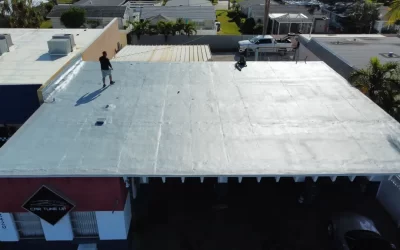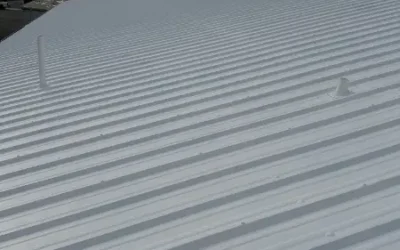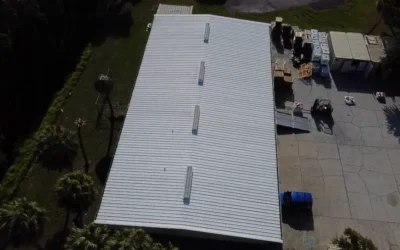

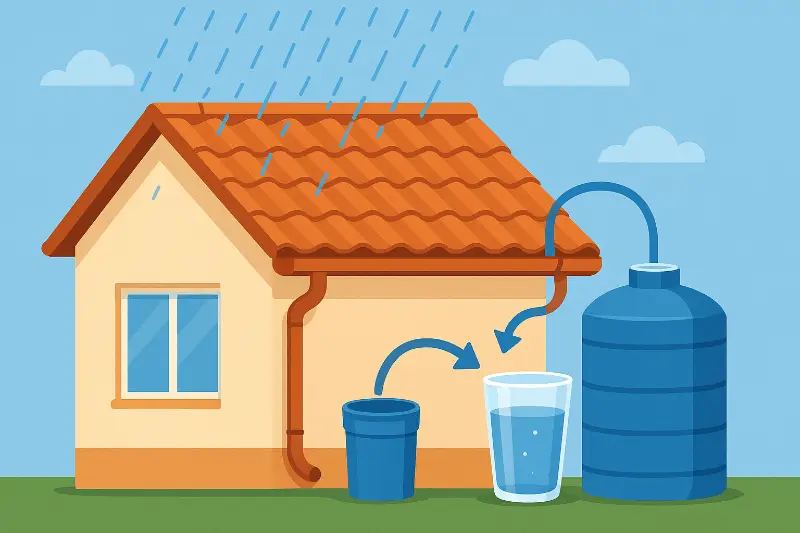
Roof coatings are great for waterproofing, boosting energy efficiency, and extending a roof’s lifespan — but is collected rainwater safe to drink if it’s come into contact with a roof coating?
Whether you’re looking to reduce your water bills or enhance your building’s sustainability, if you want to collect rainwater for drinking or irrigating edible plants, understanding how your roof water collection system interacts with coatings is critical. In this guide, we explore how various roof coatings impact water quality, which ones are safe, and what best practices you should follow to protect health and comply with standards.
Why roof coatings matter in water collection
When designing a roof water collector system, your choice of roof surface — including its coating — plays a major role in the quality of the water you collect.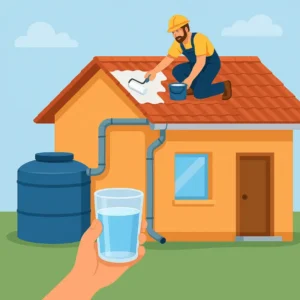
Why surface materials are critical for water collection
The roof is the first point of contact for rainwater before it’s filtered or stored. It’s likely your pipes and tank were manufactured specifically for collecting potable water, but chances are, your roof won’t have been. And if the roof surface releases contaminants, those will be carried directly into your water system.
Common coating types and their potential effects
- Acrylic coatings — Water-based and generally lower in VOCs, but not always rated for potable water use
- Silicone coatings — Extremely weather-resistant, but may leach materials that affect water taste and clarity
- Asphalt-based coatings — Often contain petroleum by-products, making them unsuitable for drinking water collection
Are any coatings rated as safe for potable water?
Yes — but very few. Look for roof coatings that are certified to NSF/ANSI 61 and NSF P151 standards. They should be specifically labeled as safe for drinking water.
We specialise in installing Conklin roof coatings, some of which are considered safe for rainwater harvesting in non-potable applications. On request, we can source a suitable alternative, such as Si-COAT® 460RC™ if you require a coating that allows for the collection of potable water.
No matter who you choose to install your roof coating, always verify with the product manufacturer or installer that your chosen coating is indeed certified as being safe for rainwater collection.
Common contaminants and risks from roof coatings
What contaminants can coatings introduce?
- VOCs (Volatile Organic Compounds) — Can off-gas into rainwater from some coatings
- Heavy metals — Especially from coatings applied over older metal roofs or using zinc- or lead-based components
- Particulates and microplastics — From degraded or weathered coatings
Effects on water quality
- Microbial growth — Some coatings retain organic matter, creating an environment for algae or bacteria
- pH imbalance — Some materials can cause the water to become acidic or alkaline
- Discoloration or odor — Runoff from certain coatings may affect taste, smell, and clarity
- Toxicity — Many contaminants, such as heavy metals, can be hazardous to human health
High-risk coatings
- Bitumen or asphalt-based coatings
- Paints or coatings not intended for exterior use
- Old, deteriorating coatings that flake or peel
Safe coatings and compatibility with water systems
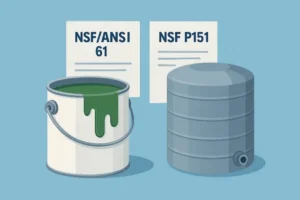 As mentioned above, some roof coatings are safe for non-potable rainwater collection and a limited number are safe for potable water collection. Look for these certifications:
- NSF/ANSI Standard 61 — Certifies that a product is safe for use with drinking water
- NSF P151 — Related to rainwater harvesting material safety
However, certification is only part of the story. Your chosen coating must not only be safe when it comes into contact with water, it also needs to be installed correctly on the correct materials. After all, there’s no point installing a coating that’s certified for potable rainwater collection if you have it installed on a material it reacts with and then the results of that chemical reaction then wash into your water tank.
How coatings interact with different roofing materials
- Metal roofs — Coatings must be non-corrosive and should not leach chemicals that react with the metal
- Tile roofs — Coatings should preserve permeability without introducing additives
- Membrane roofs — Require coatings that won’t degrade plasticizers or introduce toxins
Compatibility tips
- Always match your coating to both your roof type and water use case
- Avoid applying multiple coating types without compatibility checks — cross-contamination can affect water quality
Best practices to minimize water contamination
If you’re collecting water from a coated roof — even for non-potable uses — following a few simple best practices can prevent contamination.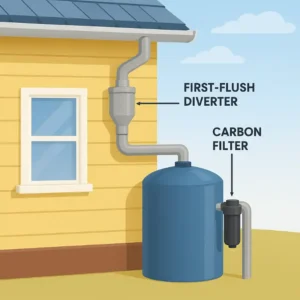
Preparing coated roofs for water collection
- Thoroughly clean the roof surface before collection starts
- Allow several rainfalls to “flush” the roof before using the water
Filtration and treatment methods
- First-flush diverters — These prevent the first round of runoff (which may contain leaf litter, bacteria, and other contaminants) from entering your water tank
- Sediment filters — A sediment filter will capture debris and particulates from coating runoff and can be used with or without a first-flush diverter
- Carbon filters — A carbon filter improves the taste of collected water by removing non-particulate contaminants, such as VOCs, other chemicals, and odors
- UV or chlorination systems — If you intend your collected water to be of drinkable quality, a UV treatment or chlorination system will kill pathogens and is a requirement
Maintenance to reduce risks
- Inspect roof coatings annually for wear or damage
- Recoat only with approved or low-impact products
- Clean gutters, screens, and filters regularly
Testing and monitoring water quality
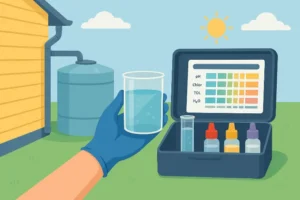 Even with the best practices, testing your rainwater is essential to ensure safety.
What tests should be done?
- Chemical analysis — Test for heavy metals, pH, VOCs, and nitrates
- Biological testing — Check for bacteria, algae, and pathogens
- Turbidity and clarity — Assess particulate levels
How often should water be tested?
- At least twice per year for systems used for drinking or food irrigation
- After any roof work, coating reapplication, or major storms
Visible signs your water may not be safe
- Discoloration (brown or cloudy water)
- Metallic or chemical odors
- Slippery or oily residue inside tanks or pipes
If you notice any of these signs, stop using the water until it can be tested and treated.
Harvest clean, safe water by knowing which coating to use for your application
Roof coatings can enhance your roof’s performance, but if you’re harvesting or intending to harvest water, especially for drinking, not all coatings are safe. From chemical runoff to bacterial contamination, your coating choice and maintenance practices make all the difference.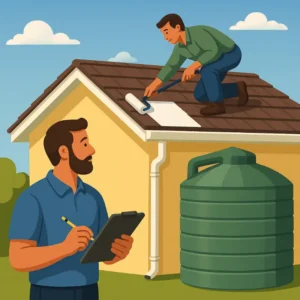
Thinking of using your business’ roof for drinking water collection? Let our team assess your roof for safety and performance. We’ll ensure your roof is sound and help you choose safe, compatible coatings so you can create a water system that supports your sustainability goals — without compromising safety.