
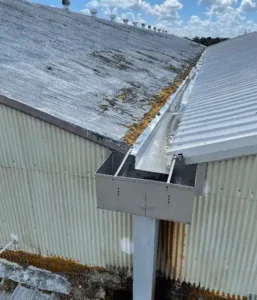
 Not all post-storm roofers are created equal. After every major storm in Florida, the roofing trucks start rolling in. Some are trusted local contractors here to help. Others are storm chasers — transient companies that follow disaster zones looking to profit from urgent roofing needs. For commercial property owners, knowing the difference can protect you from scams, lawsuits, and expensive repairs down the line.
Here’s what you need to know to stay protected.
What is a storm chaser roofer?
A storm chaser roofer is a contractor who travels into disaster-affected areas to offer roofing repairs or replacements. They typically appear after hurricanes, hailstorms, or major wind events.
How they operate:
- Canvassing neighbourhoods with door-to-door sales tactics
- Offering fast, cheap repairs using high-pressure sales techniques
- Often requesting large deposits or full payments upfront
Some storm chasers are completely unlicensed. Others hold licenses in different states but aren’t licensed to operate in Florida. A few are licensed in Florida but cut corners and use unscrupulous methods to gain more clients than they can reasonably expect to serve adequately.
Red flags and scam tactics to watch out for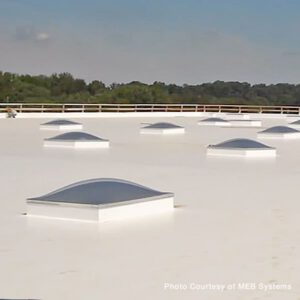
Storm chasers often use the same playbook. Here are the tell-tale signs:
- Claims of visible hail damage when there’s no recent hail report
- Free inspections that turn into high-pressure pitches
- Encouraging you to file exaggerated insurance claims
- Requests for full payment before work begins or demands an excessive deposit
- Skipping contracts entirely
Even if a contractor is from out of town, it doesn’t necessarily mean they’re illegitimate. But if they’re rushing you, hiding details, unlicensed, or pressuring you to act quickly, it’s a red flag.
Licensed doesn’t always mean low risk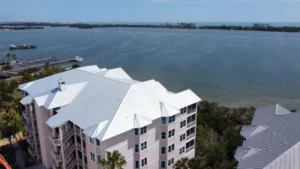
Being licensed is a baseline, not a guarantee of quality or reliability. Even licensed contractors can:
- Lack commercial roofing experience
- Fail to meet code requirements in Florida
- Outsource to unqualified subcontractors
- Cut corners to meet deadlines or boost profit
Just because someone has a license doesn’t mean they’re qualified to work on multi-unit buildings, metal roofing systems, or complex commercial structures. Always dig deeper.
The risks to commercial property owners
 Commercial buildings face unique vulnerabilities after a storm:
- Large surface areas are more exposed to damage
- Complex systems require specialised expertise
- Higher stakes mean mistakes can lead to major financial loss
Hiring the wrong roofer can jeopardise your warranties, void insurance coverage, or leave you with non-compliant repairs. Storm chasers often move on before problems arise, leaving you to clean up the mess.
How to vet and hire the right roofer post-storm
Protect your property by being proactive:
- Verify all credentials: License, insurance, and local permitting history (and check the license hasn’t recorded any complaints)
- Ask the right questions: How long have you worked in Florida? Can you provide commercial references?
- Avoid urgent pressure: Never feel rushed to sign a contract without reviewing it thoroughly
- Get everything in writing: Scope, cost, timeline, and warranty terms
- Look for testimonials from previous clients: Check their Google Business Profile or other reviews sites to see if they have a decent number of satisfied customers — e.g. You can view our reviews here
 If considering an out-of-area contractor, confirm that they’ve pulled local permits, have attained a Florida license, have a physical presence in the state, and understand local building codes. It’s usually easiest and cheapest to hire a local roofing contractor, however.
Bonus tip
If you can, shortlist qualified roofers before storm season. That way, when you need urgent roofing repairs, you can immediately get in touch with legitimate contractors who have positive customer reviews and hit the ground running.
What to do if you suspect a scam
 If you think you’ve hired a storm chaser or fallen victim to a roofing scam, take these steps immediately:
- Stop payments and document all interactions
- Report the company to the Florida Department of Business and Professional Regulation (DBPR)
- Notify your insurance company and provide photos or written statements
- Consult legal advice if significant funds or damages are involved
Time matters. The sooner you act, the better your chances of recovering losses or preventing further damage.
Know who you’re dealing with after the storm
Storm damage attracts both heroes and hustlers. The challenge is knowing which is which. Being prepared before a storm hits is the best defence against roofing scams.
Need a post-storm inspection from a verified commercial roofing expert?
Contact our team. We don’t chase storms, we build trust.