
Make Florida’s Dry Season Work for You — A Smarter Approach to Commercial Roof Care
When Florida’s rainy months finally taper off, commercial roofs reveal the quiet effects of long stretches of moisture. Seams that held through summer storms begin to show fatigue, surfaces start to dry and contract, and small areas of trapped water leave behind early signs of deterioration. For you, this moment between seasons isn’t just a pause in weather activity. It’s the most reliable window of the year to take control of your roof’s performance before the next cycle of heat, humidity, and tropical systems begins.
The reason for this is largely because Florida’s dry season delivers something rare: predictability. Temperatures stabilize, humidity dips, and rainfall becomes infrequent, creating ideal conditions for inspections, non-urgent repairs, and high-performance roof coatings. Planning work in this window allows you to avoid emergency disruptions, lock in better scheduling, and strengthen your roofing system well before storms return.
Why Florida’s dry season is the ideal window for commercial roof work
Unlike in other areas of the US, Florida’s winter weather gives your roofing system something it rarely gets during the rest of the year: stability. When the long stretch of summer storms finally passes, humidity drops, temperatures level out, and rainfall becomes predictable. These conditions create the safest, most efficient, and most cost-effective moment for you to take action on your roof.
Moisture is the biggest variable that complicates inspections, repairs, and coatings. During the rainy season, even a perfectly planned job can be delayed by unexpected showers, high humidity, or lingering dampness on the roof surface. In the dry season, you benefit from reliable working days, faster curing times, and far fewer scheduling disruptions. It also becomes easier for your roofing team to assess your roof accurately, because the surface finally has a chance to dry out and reveal issues that were hidden under months of standing water or humidity.
This window also helps you avoid the rush. If you wait until storms return, small issues like minor seam separation or soft spots can turn into leaks that interrupt operations. Tackling them now keeps your building protected and ensures you’re prepared long before the next round of weather arrives.
The essential commercial roof tasks to schedule during dry months
Once the weather settles, you have a rare opportunity to give your roof the attention it needs without fighting moisture, unpredictable storms, or rushed timelines. The dry season is the perfect moment to work through a clear checklist that protects your building, extends roof life, and helps you avoid costly surprises when heavy rain returns.
A thorough inspection is always the best place to start. When the surface is dry, we can identify issues that stay hidden during wetter months. Soft spots, seam separation, early membrane wear, clogged drains, deteriorating sealant, and ponding patterns all become easier to spot and diagnose. This allows us to give you a clear picture of your roof’s condition and recommend the smartest next steps.
Once the inspection is complete, non-urgent repairs come into focus. These are the small, manageable fixes that prevent bigger failures later, such as patching minor punctures, tightening fasteners on metal systems, addressing early corrosion, or resealing penetrations around vents and HVAC units. Completing these tasks in winter ensures your roof is fully prepared for the temperature swings and sudden downpours that will arrive in late spring.
This is also the time to plan any coating projects. Dry-season scheduling gives you far fewer delays and helps ensure the roof is fully prepared for application when you’re ready to move forward. If you’re looking to improve energy efficiency, extend your roof’s service life, or strengthen protection before next year’s storms, winter is the season to get those coating plans underway.
Why roof coatings last longer when they’re applied during Florida’s dry season (and which Conklin systems suit your roof)
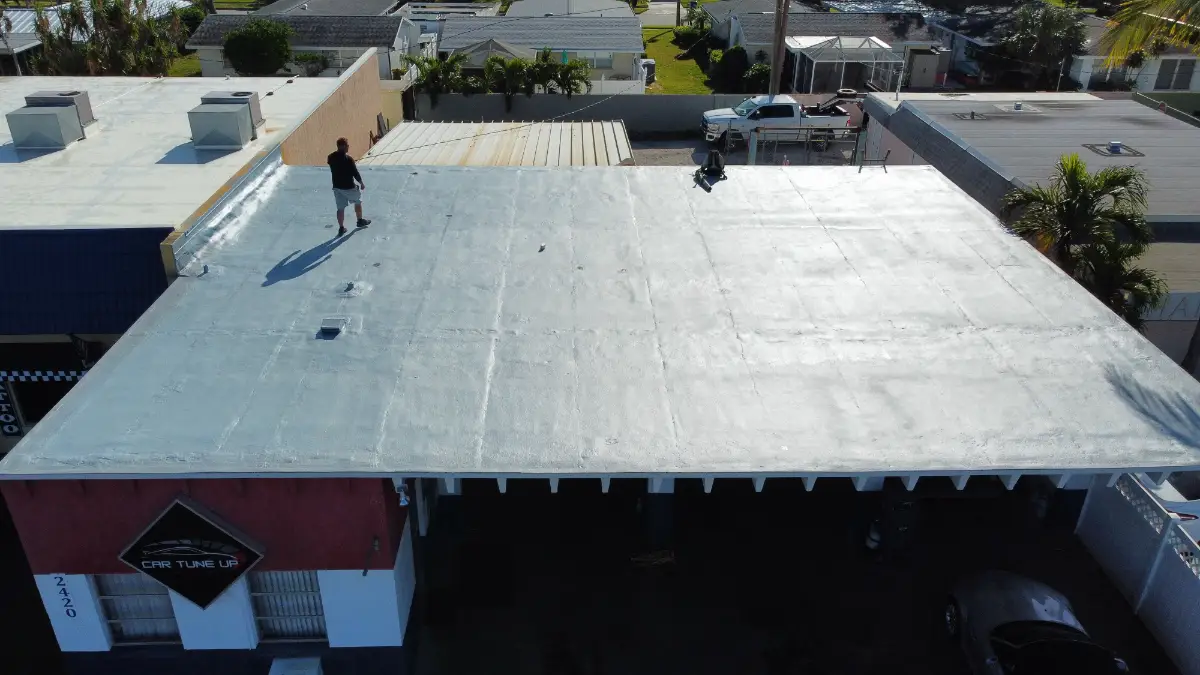
If you’re planning to extend the life of your roof with a coating, the dry season gives you the best opportunity to get lasting results. Coatings need a clean, dry surface and steady weather to bond tightly to the roofing system. When they’re applied in winter here, they cure more evenly and develop the strong adhesion needed to handle Florida’s intense heat, humidity, and year round UV exposure.
Moisture is the biggest threat to a coating’s long-term performance. During the rainy season, even a small amount of trapped moisture can interfere with adhesion or create bubbles under the surface. In winter, humidity drops and rainfall becomes rare, which means your roof finally dries out and releases the moisture it held through the wet months. That gives your coating a far better foundation and helps prevent the early wear, blistering, or separation that can occur when products cure in unstable conditions.
Dry weather also allows your roofer to prepare your roof more thoroughly. Cleaning, repairing seams, treating rust, and reinforcing vulnerable areas all depend on consistent conditions. When there’s not need to working around storm delays or damp surfaces, every step becomes more precise and the final system performs better over time.
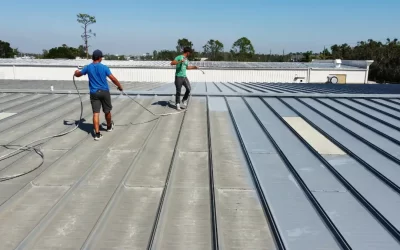
If you choose Troyer Commercial Roofing, depending on your roof type and what your building needs, we may recommend one of several Conklin systems. For metal roofs, the MR System seals fasteners, addresses rust, and adds a reflective finish that holds up to Florida’s heat. For flat and low-slope roofs, Benchmark and Rapid Roof provide excellent UV resistance, flexibility, and waterproofing. Applying these systems during the dry season helps them cure to their full potential, giving you maximum longevity and reliable protection heading into the next round of storms.
The cost savings and operational benefits of proactive dry-season maintenance
When you take advantage of the dry season’s predictable weather, you give yourself more control over both cost and operations. Roofing issues rarely stay small in Florida’s climate. Heat, humidity, and sudden storms all accelerate wear, and a minor repair that could have been fixed easily in winter often becomes a disruptive leak once the rainy season returns. By acting early, you avoid those urgent callouts, after-hours rates, and the business interruptions that come with water intrusion.
Planning work now also helps you manage downtime. Because winter brings fewer weather delays, we can schedule inspections, repairs, or coating projects at times that suit your operations. That reduces the need to pause production, reroute foot traffic, or adjust HVAC access. When the weather is steady, the entire process moves faster and more smoothly, which means less time spent coordinating around your building’s activity.
Costs are easier to control, too. Repairs done before damage spreads are significantly more affordable than work completed after water seeps into insulation or damages the membrane. Coatings applied during the dry season can also help you cut energy costs, because reflective Conklin systems reduce heat transfer and ease the load on your cooling equipment during the hottest months of the year.
By treating winter as your maintenance planning season, you avoid reactive spending and unpredictable disruptions. Instead, you protect your budget, your operations, and the long-term performance of your roofing system.
The smart way to make Florida’s dry season work for you
Florida’s dry season gives you an advantage that’s easy to overlook: reliability. When humidity drops and the weather settles, your roof finally has the conditions it needs to reveal hidden issues, respond well to repairs, and form strong, lasting bonds with coating systems. By planning your maintenance during this window, you avoid the stress and expense of reactive work once the storms return, and you give your roofing system the best possible start to the coming year.
Acting now means fewer disruptions, clearer scheduling, and stronger long-term performance. It also means you’re not waiting for the next leak, the next storm, or the next emergency to dictate your priorities. Instead, you’re stepping into the season prepared, protected, and confident in the condition of your building.
If you’re ready to put this dry-season advantage to work, our team at Troyer Commercial Roofing can guide you through a tailored inspection and maintenance plan designed around your property, your budget, and Florida’s climate. And with our current no-obligation, free inspection offer, there’s never been a better time to book in a roof inspection.