

Florida Senate Bill 76 2021 (SB 76) changed the rules of the game for commercial roofing in Florida. SB 76 introduced sweeping updates that reshaped how roofing contractors operate, from licensing and permitting to warranty standards and compliance requirements. If you own or manage a business in Florida, understanding SB 76 is important when it comes time to repair or replace your roof.
Overview of Florida Senate Bill 76
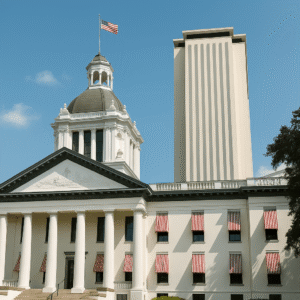
Florida Senate Bill 76 (SB 76), passed in 2021, brings major reforms to the roofing industry, aiming to curb insurance fraud, stabilize the insurance market, and create clearer guidelines for contractors and property owners alike.
Key points of Florida Senate Bill 76 for commercial roofing
- Limits on solicitation — Contractors are prohibited from directly soliciting homeowners for roofing claims through advertising or in-person visits. However, the bill doesn’t explicitly ban solicitation for commercial properties.
- Changes to claims deadlines — Insurance claims must now be filed within two years of discovering damage, instead of three.
- Attorney fee structure — The law revises how attorney fees are awarded in roofing-related litigation, reducing incentives for lawsuits.
- Disclosure requirements — Contractors must provide specific consumer disclosures about their rights under insurance policies before signing a contract.
When did Florida Senate Bill 76 go into effect?
SB 76 officially went into effect on July 1, 2021.
How does SB 76 differ from previous roofing legislation?
Prior laws were less restrictive on marketing practices and had longer windows for filing insurance claims. SB 76 introduces stricter timelines and rules designed to reduce frivolous claims and litigation.
Legal and compliance considerations for commercial property owners

Florida Senate Bill 76 (SB 76) introduces a more complex legal and compliance landscape — not just for contractors, but also for commercial property owners who rely on roofing professionals to maintain and protect their buildings.
What you need to know about contractor compliance
Under SB 76, roofing contractors face stricter rules regarding marketing, insurance claims, and project documentation. As a building owner or manager, it’s important to understand these changes so you can better assess whether a contractor is operating within legal boundaries.
Key compliance updates include:
- No misleading marketing: Contractors can no longer use incentivized or misleading marketing tactics to solicit insurance-based roofing work
- Detailed documentation: All assistance with insurance claims must be thoroughly documented (and that may also increase the paperwork you need to do when working with your contractor)
- Contract transparency: Roofing contracts must include specific disclosures regarding insurance coverage, warranties, and homeowner rights — even for commercial properties.
If your contractor isn’t meeting these requirements, your project — and insurance claim — could be at risk. Partnering with fully compliant contractors protects you from unnecessary legal and financial exposure.
Legal risks and your role as a property owner
While the legal burden under SB 76 primarily rests on contractors, building owners are not immune from the fallout of non-compliance. For instance, hiring a contractor who violates SB 76 can complicate insurance claims, delay repairs, or expose you to litigation.
Keep in mind:
- Verify licensing and credentials: Ensure your contractor is properly licensed and aware of SB 76’s requirements
- Demand written disclosures: Before signing any agreement, request documentation that outlines your rights and obligations under the new law
- Retain legal counsel if needed: For larger or insurance-related projects, consult with a legal professional to review contracts and protect your interests
Staffing, subcontractors, and your project’s liability
SB 76 also impacts how roofing companies train their staff and manage subcontractors. For you, this means it’s a good idea to ask whether the contractor’s team has received training on SB 76 compliance. You see, if a subcontractor violates SB 76 on your property, the liability could extend to you, especially if documentation or permitting is incomplete.
Choosing a roofing contractor who prioritizes compliance and legal transparency is now more important than ever. These steps can prevent costly delays, penalties, and legal disputes down the road.
Licensing, permitting, and contractor requirements
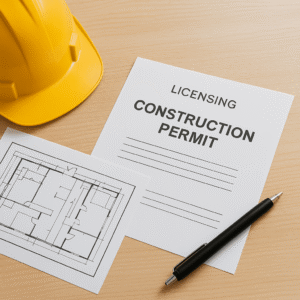
Senate Bill 76 Florida impacts how contractors get licensed and how projects are permitted.
Licensing under SB 76
- Licenses are now subject to greater scrutiny regarding previous marketing and solicitation violations
- New contractors must show a clear understanding of consumer protection laws during the licensing process
Changes to the permitting process
- Permits for roofing work must now include more detailed project information.
- Permit applications must certify that contractors will comply with all new advertising and consumer disclosure rules.
Impact on subcontractors
Subcontractors working under a primary roofing contractor must also comply with SB 76 regulations. Roofing businesses must carefully vet and manage their subcontractors to avoid liability.
How this impacts you
As a commercial building owner or manager, these licensing and permitting changes affect you more than you might think. Permitting now requires more detailed project information, and your contractor must certify full compliance with SB 76’s disclosure standards. If they or their subcontractors fall short, your project could be delayed or even denied. So, to protect your investment and avoid costly setbacks, always choose contractors who understand and follow the requirements of SB 76.
How SB 76 affects building codes, warranties, and dispute resolution

Under SB 76, roofing projects must now meet stricter standards tied to the Florida Building Code. For you, that means roof inspections will likely be more detailed, and your contractor will need to provide better documentation for both repairs and replacements. It’s a good idea to ask about inspection protocols and request copies of all records for your own files.
What to know about warranties
If your roofing project involves an insurance claim, SB 76 requires contractors to clearly explain what’s covered by your insurance policy and what’s included in the contractor’s warranty. You’ll want to review all warranty documentation carefully to understand exactly what’s guaranteed — and what isn’t. Make sure the warranty terms are in writing and that they match what you’ve been told verbally.
Navigating disputes under SB 76
Contracts now need to spell out how disputes will be handled, often through mediation or arbitration before legal action is taken. Because SB 76 limits how attorney fees are awarded, going to court could cost more and take longer. You’ll benefit from working with contractors who include fair, transparent dispute resolution clauses in their contracts—just in case anything goes wrong down the line.
What SB 76 means for your roofing budget and contractor relationships
SB 76 doesn’t just affect how roofing contractors operate — it may also influence how much you pay, what materials are used on your property, and how your contractor manages risk. Understanding these shifts can help you plan better and avoid surprises during your next roofing project.
Expect changes in pricing and materials
To stay compliant with SB 76, contractors are facing higher administrative and insurance costs, and they may pass some of those expenses along to clients. As such, if you’ve had major roofing work done prior to 2021, you may notice a significant pricing increase for future work. Roofing estimates may now reflect:
- Increased documentation and compliance requirements
- Higher insurance premiums for contractors, especially for insurance-related work
- Adjustments to marketing and operational budgets
You might also notice changes in material selection. Contractors may prioritize products that are easier to certify and document — especially for warranties tied to insurance claims. These materials can sometimes come at a premium, but they help ensure your warranty is solid and your project stands up to scrutiny.
How liability planning affects your project
SB 76 has raised the stakes when it comes to legal and financial liability. Reputable contractors have had to review their insurance coverage, update internal processes, and tighten up communication with clients. For you, that means:
- Expect more detailed contracts and written communications
- Be prepared to review expanded documentation around warranties, claims, and code compliance
- It’s a good idea to ask about your contractor’s risk management practices to ensure your project won’t be exposed to legal or financial delays
By choosing contractors who have adapted well to SB 76’s financial and business demands, you’ll reduce your own risk and ensure a smoother, more predictable project from start to finish.
How SB 76 shapes sustainability and long-term roofing strategy
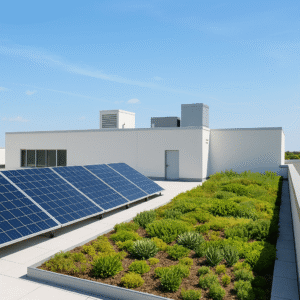
While SB 76 was designed to reduce insurance fraud and stabilize the roofing industry, it also opens new opportunities for smarter, more strategic roofing decisions — especially when it comes to sustainability and long-term planning.
Embracing energy efficiency and durability
As insurance companies look for ways to reduce risk, they’re increasingly offering incentives for durable, storm-resistant, and energy-efficient roofing systems. That’s good news if you’re considering upgrades or planning a new build. Choosing materials that go above code, not just meet it, could save you money on premiums and extend the life of your roof.
SB 76 reinforces this shift by encouraging contractors to install systems that are well-documented, code-compliant, and built to last. You may notice more roofing bids that include sustainable options, like reflective coatings or advanced insulation systems, especially on larger or high-risk buildings.
Shifting how contractors do business — with you in mind
Because SB 76 restricts certain types of insurance-driven marketing, many contractors are now focusing on value-based services like preventive maintenance, energy efficiency, and proactive repairs. This shift benefits you by encouraging longer-term thinking, clearer service offerings, and more transparent communication.
You’ll also see more contractors investing in staff training, documentation tools, and customer service improvements. These changes are designed to ensure every part of your roofing project — especially those involving insurance claims or warranties — meets today’s tougher standards.
A more professional, competitive industry
Over time, SB 76 may lead to a more stable and trustworthy roofing market. As lower-quality or non-compliant contractors exit the industry, you’ll have access to roofing professionals who are more invested in doing things the right way — on your property and across Florida.
Making smart roofing decisions under Florida Senate Bill

Florida Senate Bill 76 has changed the landscape of commercial roofing in ways that directly affect you as a building owner or manager. From licensing and permitting to warranties, pricing, and contractor compliance, the legislation demands greater attention to detail, as well as stronger partnerships with roofing professionals who know how to operate under the new rules.
Understanding these changes isn’t just about staying informed. It’s about protecting your property, your budget, and your long-term investment. When you work with roofing contractors who embrace the requirements of SB 76, you can expect better documentation, more transparent communication, and a higher standard of service.
If you’re planning a roofing project, reviewing an insurance claim, or just want to make sure your contractor is up to date on SB 76, our team at Troyer Commercial Roofing is here to help. We specialize in commercial roofing solutions that are fully compliant, cost-effective, and built to last.
Schedule a free commercial roof inspection now and make your next roofing project safer, smarter, and fully aligned with Florida’s latest standards.