
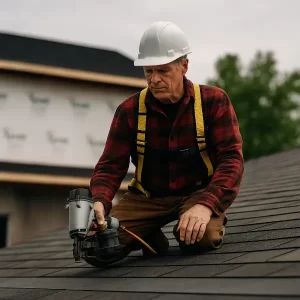
That ‘cheap’ roofer might look like a good deal now. But hiring an unlicensed contractor in Florida can end up costing far more than you bargained for. Beyond shoddy workmanship, there are serious legal and financial risks that can put your building and your bottom line in jeopardy.
Discover what you need to know about unlicensed roofing contractors and how to avoid making a costly mistake.
Why some roofers work without a license
Licensing ensures a baseline of professionalism, accountability, and legal compliance. So why do some roofers operate without it?
- Avoiding costs and oversight: Some contractors skip licensing to save money or dodge regulations
- Working under the radar: Others operate temporarily after a storm, intending to leave before anyone catches on
- Subcontractor loopholes: Some unlicensed individuals work under licensed contractors without full disclosure
In Florida, where severe weather events attract transient labour, unlicensed roofing contractors are more common than many realise.
Legal risks of hiring an unlicensed roofer in Florida
Is it legal to hire an unlicensed contractor in Florida? Not really. Under Florida law, it is illegal for an unlicensed individual to perform roofing work that requires a license. But the risk doesn’t stop with the roofer. You could be held accountable too.
Legal penalties include:
- Voided contracts (yes, they may not be enforceable in court)
- Fines and civil penalties for knowingly hiring unlicensed labour
- Ineligibility to collect damages or file claims if something goes wrong
- If something goes wrong, the insurer may not be legally required to cover the incident
- Work done by an unlicensed contractor may also void any warranty on the materials used
Florida courts may even permit homeowners or property managers to walk away from the agreement. But only after significant financial or legal stress.
Financial consequences for property owners

The financial risks are just as steep. When you hire an unlicensed roofer:
- Insurance may not cover damages: Many policies exclude work done by unlicensed contractors, so if any damage is done by the roofer, you’ll likely have to foot the bill for any required repairs
- You could pay twice: If the job fails, you’ll need to hire someone else to fix or redo the work
- Lawsuits become tricky: Suing an unlicensed contractor is harder because they’re often untraceable or judgment-proof
If a problem arises, you may have limited recourse — especially if your insurer denies the claim due to unlicensed work.
How to get your money back or seek legal help

If you’ve already hired an unlicensed contractor and things go south, don’t panic. There are steps you can take to pursue justice and financial recovery:
- File a formal complaint with the Florida Department of Business and Professional Regulation (DBPR)
- Consult an attorney: A legal professional can help you navigate contract disputes or fraud claims
- Pursue civil remedies: Small claims court or lawsuits may be viable, depending on the amount lost
- Document everything: Keep written communications, receipts, photos, and any relevant documents
Acting quickly improves your chance of recovering lost funds or preventing further damage.
How to spot and avoid unlicensed roofers
Avoiding unlicensed contractors starts with vigilance. Here are the most common warning signs:

No license number
on business cards, contracts, or websites
- Cash-only payment terms or large upfront deposits
- Reluctance to pull permits or include detailed terms in contracts
- Excuses about licensing status or vague answers about credentials
Always ask for and verify:
- State license number (confirm it at myfloridalicense.com)
- Certificate of insurance
- Written, signed contract that details scope, price, and timeline
Also beware of licensed contractors who hire unlicensed subcontractors without disclosure. This can expose you to the same risks.
How to report an unlicensed contractor

If you suspect someone is working without a license:
- Report them to the DBPR: Use the online complaint form
- Contact local code enforcement: They can stop unpermitted work and impose fines
- File a complaint with the attorney general if fraud is involved
Reporting doesn’t just help you. It protects your neighbours and community from the same risks. Knowingly hiring or recommending an unlicensed contractor can also carry penalties.
Don’t cut corners on licensing
Hiring an unlicensed roofer might save you a few dollars upfront. But the long-term consequences can be severe. Between legal penalties, insurance complications, and out-of-pocket repairs, it’s rarely worth the gamble.
Always verify your roofer’s license. Use Florida’s official license lookup or contact Troyer Commercial Roofing to book in for a free roof inspection from a fully qualified contractor you can trust.