
Not all roofers are created equal, and in Florida, where hurricanes and heavy rain can do serious damage, hiring the wrong one can cost you more than just money. Before you sign a contract or hand over a deposit, you need to know exactly who you’re working with. Is your roofer licensed? Are they insured? Do they have a reputation for doing things by the book — or for cutting corners?
Every business owner and property manager should know how to check if a roofer’s license is legitimate in Florida, how to avoid getting scammed, and how to protect their property by hiring the right professional for their needs. This guide will teach you what you need to know.
Why license verification matters
Hiring a licensed and insured roofing contractor isn’t just a smart move. In many cases, it’s the law. A license ensures the roofer has passed exams, met state requirements, and knows how to complete your roofing work safely and legally.
Licensed and insured contractors:
- Understand Florida building codes — and follow them, reducing the risk of costly fines or failed inspections
- Carry insurance — so you’re not liable for injuries or damages on-site
- Are held accountable — by the Florida Department of Business and Professional Regulation (DBPR)
Hiring someone without a valid roofing license — or worse, someone pretending to be licensed — can be risky and expensive. Common problems include:
- Poor workmanship — leading to leaks, structural damage, and insurance headaches
- Lack of legal protection — you can’t file formal complaints against unlicensed contractors
- No insurance coverage — meaning you’re responsible if something goes wrong
- Voided warranties — on materials and workmanship, due to non-compliance
What about bonded and insured contractors?
If you’re hiring a general contractor to work on your business premises, they should be both licensed and bonded, and carry:
- General liability insurance
- Workers’ compensation insurance
- A surety bond, which protects you if they fail to complete the project or meet contractual terms
Without these, you’re exposed to financial and legal risk — even if the work is done by a licensed contractor.
What a roofing license covers in Florida
A Florida roofing license isn’t a one-size-fits-all certification. There are several types of contractor licenses, each with different scopes of work.
Florida’s two main categories of contractor licenses are:
- Certified contractor license — Valid across the entire state of Florida
- Registered contractor license — Valid only within specific local jurisdictions
With a proper roofing contractor license, professionals are legally allowed to:
- Install, repair, or replace roofs on residential or commercial properties
- Perform waterproofing
- Apply coatings and membranes
- Work on structural elements connected to the roof
In some cases, general contractors can perform roofing work. However, this depends on the scope of their license. If roofing is not specifically listed under their approved categories, they must subcontract the work to a licensed roofing contractor.
Always verify that the contractor you hire holds the appropriate license for roofing — not just general construction.
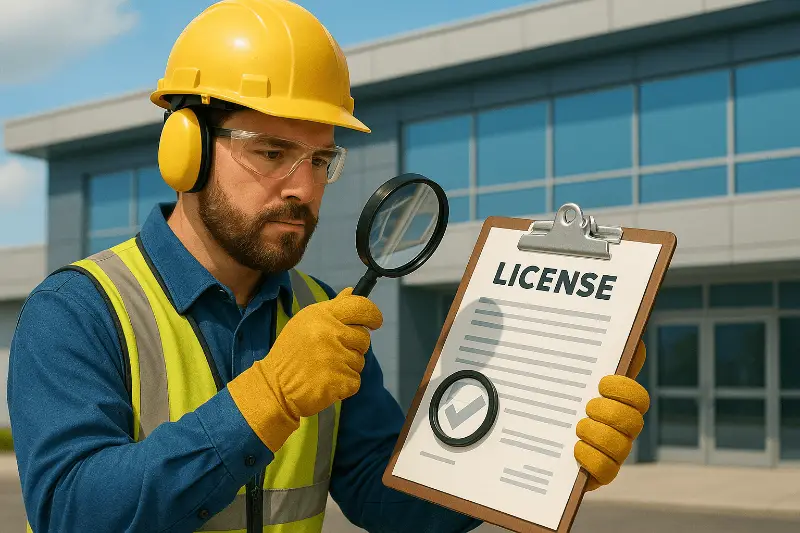
How to check a roofer’s license (step-by-step)
 Florida makes it fairly simple to check a roofer’s license online. Here’s how to do it:
Step 1: Go to the DBPR license search
Visit the official Florida DBPR licensee search page. This is where all licensed contractors — including roofers — are listed.
Step 2: Search for the company or individual contractor’s details
You can search by:
- Contractor’s name
- Business name
- License number
Double-check for spelling accuracy — results won’t show for incorrect spellings.
Step 3: Verify the details
Once you find the listing, confirm:
- License type (it should say “Certified Roofing Contractor” or similar)
- Status — it should say “Current,” “Active,” or “Clear”
- Expiry date — make sure it hasn’t lapsed
- Disciplinary actions — these may be listed in the record and are a red flag
How to confirm insurance, bonding, and background
A license is important, but it’s only one part of the puzzle. You also need to verify the contractor’s insurance and bonding, and make sure their paperwork checks out.
Reputable roofing contractors will happily provide:
- Certificate of insurance (COI), which includes policy details and dates
- Bond information, including bond amount and surety provider
- Written warranty information, for materials and workmanship
Be cautious if a roofer:
- Refuses to show proof of insurance or bonding
- Claims you don’t need a permit
- Asks for full payment upfront
- Provides vague or incomplete license information
- Provides a license number for a license belonging to someone else
These are all signs you may be dealing with an unqualified or fraudulent contractor.
How to verify reputation and track record
Even if someone’s licensed and insured, that doesn’t automatically mean they do quality work. That’s where research comes in. We recommend investigating the follow.
Check their online presence

Start by reviewing:
- Google Business Profile — Look at recent reviews and overall rating
- Better Business Bureau (BBB) — Check for complaints or unresolved disputes
- State licensing board — See if any disciplinary actions or suspensions have been recorded
As an example of a reputable roofing company’s reviews, take a look at the Troyer Commercial Roofing business profile reviews.
Ask the right questions
When speaking with a contractor, ask:
- How long have you been in business?
- Do you have references for similar jobs?
- What kind of warranty do you offer?
- Will you handle the permits and inspections?
The answers to these questions can reveal a lot about their professionalism and reliability.
Go beyond reviews
Online reviews are helpful, but they shouldn’t be your only resource. Ask for client references, check local community forums, and trust your instincts during conversations.
Protect your business — work only with licensed pros
It only takes 10 minutes to verify a roofer’s license, insurance, and track record — and it could save you thousands in repairs, headaches, and legal issues down the road. Doing your due diligence upfront ensures you’re hiring someone who knows what they’re doing and stands behind their work.
Looking for a licensed roofing contractor? Troyer Commercial Roofing is fully licensed and insured (our roofing license number is CCC1333471). Our clients also love the work we do. Check out our reviews and get in touch to learn how we can help with your next roofing project.