
Spray Foam Roof Coating — Roof Foaming as External Insulation for Florida’s Commercial Buildings
Florida’s climate challenges every part of a commercial building, but the roof carries the greatest load. High heat, heavy humidity, and constant UV exposure raise cooling costs and accelerate roof deterioration. Internal insulation can help stabilize indoor temperatures, but it doesn’t protect the roof surface itself from heat stress. There are also some situations where it’s not possible or feasible to add internal insulation to the roof. Roof foaming provides a more effective solution by insulating on the exterior, reducing heat gain where it begins, and improving the long-term performance of the entire roofing system.
Why Florida commercial roofs need external insulation
Florida’s heat and humidity place extraordinary pressure on commercial roofing systems. When a roof absorbs heat all day, the building’s HVAC equipment works harder to compensate, which increases energy use and shortens equipment life. Internal insulation helps moderate indoor temperatures but cannot stop the heat that enters through the roof surface, which means the membrane continues expanding, contracting, and aging prematurely, adding additional, albeit less obvious, costs.
External insulation addresses these issues at their source. Applying insulation on top of the roof prevents heat from entering the building envelope, reducing thermal stress and improving roof longevity. This approach is especially valuable for commercial buildings with wide roof spans, high cooling demand, and older roofs that are more prone to dips, uneven surfaces, and ponding water. By reducing heat load and stabilising the roofing structure, external insulation supports long-term performance and more predictable maintenance budgeting.
Many commercial roofs also have structural or design limitations that make internal insulation difficult or impossible to add. Some buildings lack the interior access needed for installation, while others were constructed with low deck heights, mechanical obstructions, or confined plenum spaces that leave no room for additional material. In these cases, upgrading insulation from inside the building isn’t just costly, it’s often not feasible at all. External insulation provides a straightforward alternative, allowing businesses to improve thermal performance without altering the building’s interior or disrupting operations.
What roof foaming actually is and how it works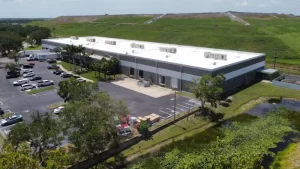
Roof foaming uses spray polyurethane foam, or SPF, to create a seamless layer of insulation and waterproofing on the roof surface. The foam is sprayed as a liquid that expands into a closed-cell material, forming a rigid, bonded layer that improves the roof’s thermal performance and prevents moisture infiltration.
SPF is highly effective because it increases R-value and resists heat transfer making it a valuable option for commercial buildings throughout Florida. The foam naturally fills low areas and levels uneven surfaces, which also helps correct ponding issues without structural modifications. Because SPF is applied directly onto the existing roof, most facilities avoid tear offs, downtime, and interior disruption. Once cured, the foam becomes a durable, high-performance surface that responds well to Florida’s constant heat and high humidity.
Advantages of external insulation over internal insulation
Internal insulation improves indoor comfort but does little to protect the roof itself. The roof surface still absorbs heat, which accelerates aging, cracking, and seam separation. External insulation provides a more comprehensive solution by shielding the roof from heat gain and reducing temperature swings across the membrane.
Spray polyurethane foam offers benefits that internal insulation cannot provide. It fills dips, smooths transitions, and helps correct drainage issues that often occur on flat roofs. It also eliminates many of the costs associated with interior insulation upgrades, including tear offs and business interruption. And as mentioned, sometimes retrofitting internal insulation just isn’t possible.
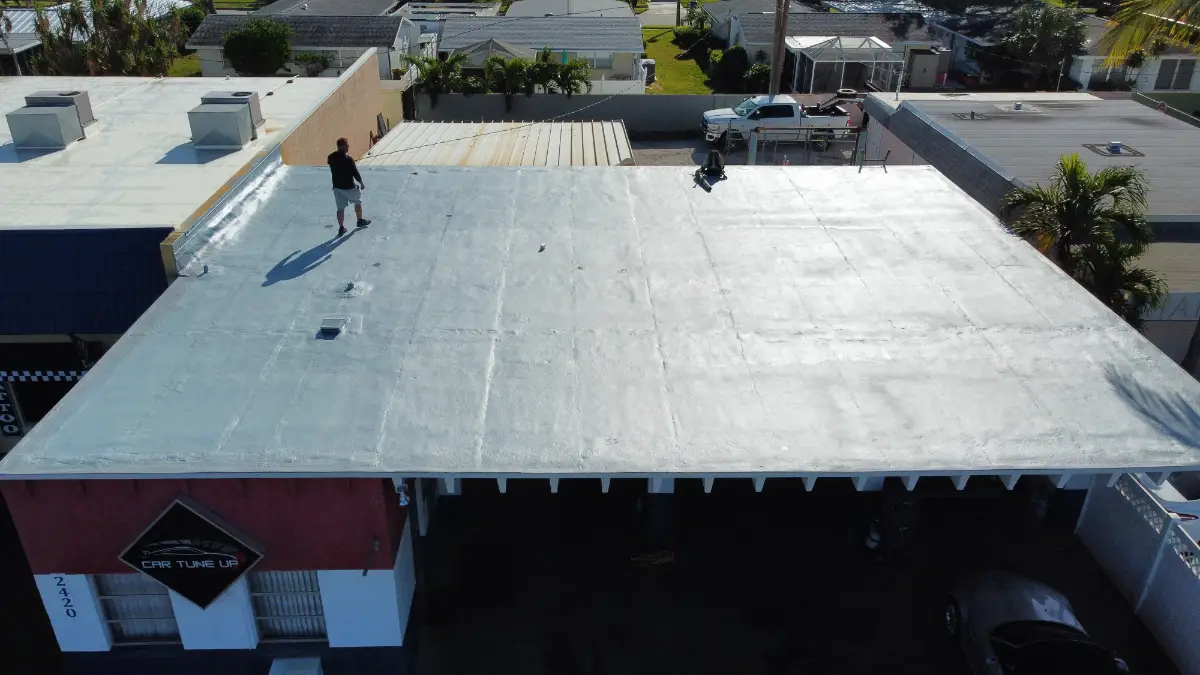
Once applied, the foam is finished with a reflective spray foam roof coating that protects the SPF from UV exposure and helps the entire system stay cooler throughout the day. This combination improves energy efficiency, supports roof stability, and reduces the need for ongoing repairs.
Introducing the Troyer system: A refined approach to SPF and protective coatings
Spray polyurethane foam performs best when applied with precision and paired with a high-quality protective coating. Here at Troyer Commercial Roofing we’ve refined this into a highly efficient system based on a reliable combination of expert SPF installation and Conklin’s high-performance coatings.
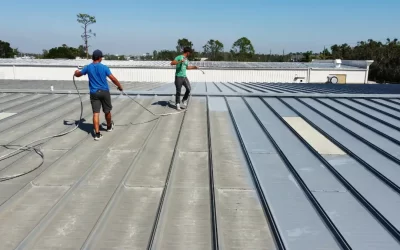
The process begins with careful surface evaluation and preparation. After the roof is cleaned and any weak areas are addressed, we apply SPF in controlled layers using a specialized spray foaming rig to create a consistent, insulated surface. The foam expands to fill low areas and improve drainage, creating a smoother foundation for the protective coating. Once cured, we then apply a Conklin reflective coating that protects the foam and underlying roof materials from UV degradation, compliments the insulation by reflecting solar radiation, and enhances energy efficiency.
The strength of the Troyer system lies in both the method and the materials. Our team members all understand how Florida’s heat, humidity, and weather patterns affect foam behavior and coating performance, resulting in a roofing system that supports insulation, waterproofing, drainage, and long-term stability. We’re also the only roofing company in the area that has the specialized equipment required to install the external insulation. Other contractors throughout Florida only have the equipment required to install spray foam insulation to the interior of the building.
Strengthening your roof and your building’s performance
A well-insulated roof supports more than just comfort. Roof foaming with spray polyurethane foam and a protective coating helps commercial buildings reduce heat gain, lower cooling costs, and extend the life of the roofing system. By moving insulation to the exterior surface, SPF protects the roof from thermal stress while improving overall energy performance. And then a protective coating applied on top of that protects the insulation.
Troyer Commercial Roofing’s refined SPF and coating system provides a dependable way to strengthen roof performance and improve building efficiency. If you’re exploring options to reduce operating costs, protect your facility, improve worker comfort, or improve insulation, a free on-site roof inspection will give you the opportunity to discuss your specific needs with a highly experienced roofing contractor and obtain an obligation-free quote.
Schedule your commercial roof insulation and performance evaluation today and discover how much your facility could gain from a cooler, stronger roof.