
Top 3 questions I should ask a roofing contractor after hurricane damage to my commercial building.
After hurricane roof storm damage to your commercial building, it’s essential to ask the right questions when hiring a roofing contractor. You must ensure they are qualified and capable of handling the repairs or replacements. Here are the top three questions you should ask:
1. Are you licensed, insured, and bonded?
This question is critical as it helps verify the contractor’s legitimacy and professionalism. A licensed contractor indicates that they have met the necessary requirements to operate legally in your area. Insurance is vital to protect you from any liability in case of accidents or property damage during the roofing project. Bonding ensures that you have recourse if the contractor fails to complete the work as agreed upon or if there are any issues with the project.
2. What experience do you have with post-hurricane roofing repairs?
It’s essential to hire a contractor with experience in handling roofing repairs after hurricanes or severe storms. Post-hurricane repairs can be complex and require specific expertise, such as identifying hidden damage, working with insurance companies, and securing your building against future storms. Ask for examples of similar projects they have completed and references from other clients who had hurricane-related roofing work done.
3. What is your plan for assessing the damage and providing a detailed estimate?
A reputable contractor should conduct a thorough inspection of your roof to assess the extent of the damage before providing an estimate. Ask about their assessment process and how they plan to document the damage. A detailed estimate should include the scope of work, materials to be used, labor costs, and any potential additional charges. It’s crucial to have a transparent understanding of the costs and timeline before starting the project.
Make sure to check the contractor’s reputation by looking up online reviews and ratings from previous clients. Selecting a reliable and experienced roofing contractor will help ensure your commercial building’s roof is properly repaired and protected for the future.
How do I protect my commercial roof against a hurricane?
Protecting a commercial roof against a hurricane requires similar precautions to residential roofs. There are some additional considerations due to the larger scale and complexity of commercial buildings. Here are some steps you can take to protect your commercial roof during a hurricane:
- Conduct Regular Roof Inspections: Regularly inspect your commercial roof to identify any existing issues or vulnerabilities. Look for loose or damaged components, such as flashing, vents, or membranes. Addressing these problems promptly can help prevent further damage during a hurricane.
- Reinforce Roofing Materials: Consider using impact-resistant roofing materials specifically designed to withstand high winds and flying debris. Metal roofs, reinforced membranes, or shingles with a high wind rating can provide better protection for your commercial building.
- Ensure Proper Roof Drainage: Ensure that your roof’s drainage system, including gutters, downspouts, and drains, is clear of debris and functioning properly. Proper drainage helps prevent water accumulation and reduces the risk of roof leaks or structural damage.
- Secure Equipment and Objects: Secure or relocate any loose equipment, signs, or objects on the roof that could become projectiles during high winds. This includes HVAC units, satellite dishes, antennas, or other rooftop installations. Secure them with straps, anchors, or additional fasteners.
- Reinforce Roof Anchorage: Evaluate the roof anchorage system and consider reinforcing it if necessary. This may involve adding additional fasteners, clips, or anchors to strengthen the connection between the roof and the building structure.
- Maintain Surrounding Landscaping: Trim or remove any trees, branches, or landscaping elements that could potentially damage the roof during a hurricane. Regularly maintain the vegetation around your commercial building to minimize the risk of debris impacting the roof.
- Develop an Emergency Plan: Create an emergency plan specific to your commercial building that outlines the necessary steps to take before, during, and after a hurricane. This plan should include procedures for securing the roof, evacuating the building if necessary, and post-storm inspections.
- Consult with a Professional: Consider consulting with a professional roofing contractor or engineer experienced in commercial roofing. They can provide valuable advice on reinforcing your specific roof type and offer recommendations tailored to your building’s needs.
- Use hurricane ties: Also known as hurricane straps or wind clips. These are metal connectors specifically designed to strengthen the connection between the roof framing and the walls of a building. They are commonly used in regions prone to hurricanes, tornadoes, or high winds to enhance the structural integrity of the roof system. Hurricane ties help prevent roof uplift, which is a significant concern during severe storms.
Roof Storm Damage & Prevention
Here are some key features and functions of hurricane ties:
- Construction: Hurricane ties are typically made of galvanized steel or stainless steel to resist corrosion and withstand the forces exerted by strong winds. They come in various shapes and configurations, including L-shaped straps, T-shaped straps, or H-shaped clips.
- Installation: Hurricane ties are installed at key locations where the roof trusses or rafters connect to the exterior walls of the building. They are attached using nails or screws to secure the roof framing members to the wall framing.
- Roof Uplift Prevention: The primary purpose of hurricane ties is to prevent roof uplift, which occurs when high winds create a suction force that lifts the roof off the building. By providing a strong and secure connection between the roof and walls, hurricane ties help resist these uplift forces.
- Code Compliance: In many hurricane-prone areas, building codes require the use of hurricane ties or similar structural connectors as a mandatory measure to enhance the wind resistance of buildings. Compliance with these codes is essential for ensuring the safety and durability of the structure.
- Types of Hurricane Ties: There are various types of hurricane ties available, each designed for specific applications and load requirements. Common examples include rafter-to-wall ties, truss-to-wall ties, and ridge-to-rafter ties. The appropriate type and spacing of hurricane ties depend on factors such as the roof design, building dimensions, wind loads, and local building codes.
- Professional Installation: Installing hurricane ties correctly is crucial for their effectiveness. It is recommended to engage a professional contractor experienced in structural connections. They should be familiar with local building codes to ensure proper installation.
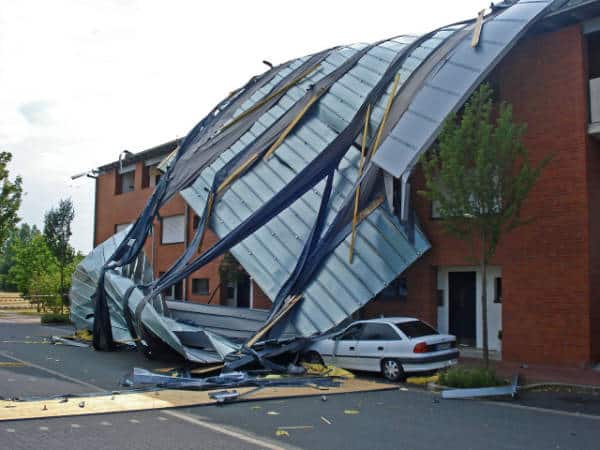
The risk of roof damage and failure during severe storms can be significantly reduced by incorporating hurricane ties into the construction or retrofitting of a building. They provide an added layer of protection and contribute to the overall resilience of the structure against high winds and extreme weather conditions. Roof storm damage issues in Florida are quite common due to the prevalence of hurricanes in this climate.
Remember, the protection of your commercial roof against a hurricane is a complex task. It’s essential to consult with professionals and adhere to local building codes and regulations to ensure proper protection and safety.