

Roofing Horror Stories: Why Contractor License Verification in Florida Is Non-Negotiable
A leaky roof is bad — but a bad roofing company can turn it into a full-blown nightmare. Thankfully, while bad roofing jobs are costly and dangerous, they’re 100% avoidable with the right precautions.
Let’s explore real-world roofing horror stories, and how to protect your commercial property from ever becoming one.
Real-life roofing horror stories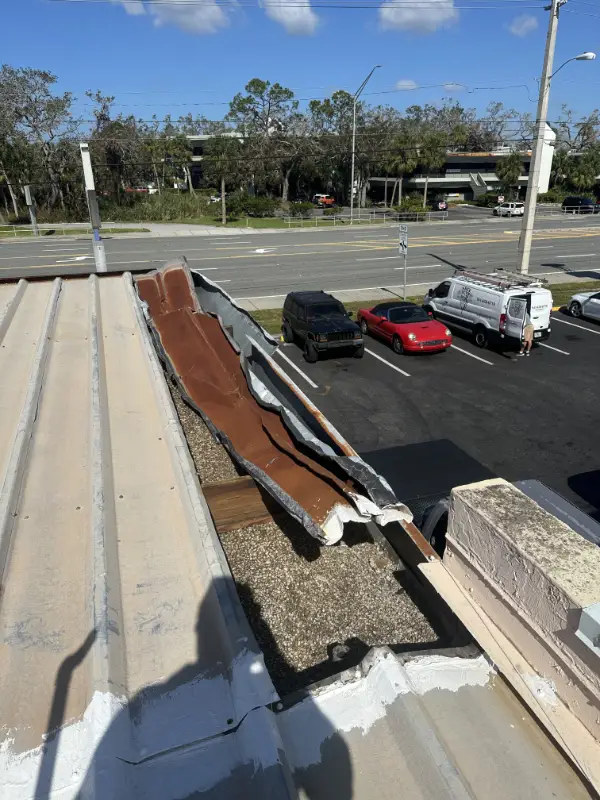
Online forums like Reddit and industry complaint boards are packed with horror stories about bad roofing companies. While each case is unique, the patterns are chillingly familiar.
One business owner hired a roofing crew after a storm, attracted by their low prices and fast turnaround. But after the crew left, the building’s roof started leaking worse than before. When the owner tried to call them back, the number was disconnected. Turns out, the crew was unlicensed, uninsured, and had used fake business details. This is a fairly common scam during and after hurricane season.
Another case involved a contractor who promised a full roof replacement, took a hefty deposit, and then never showed up again. The “contractor” wasn’t even licensed — just a persuasive scam artist operating under a borrowed name. Unfortunately, this is another common scam.
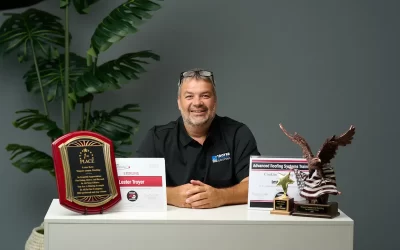
We once had someone come to us with a leaking roof that the original contractor had tried (and failed) to fix twice. After that, the contractor stopped taking the client’s calls and replying to their emails. Instead of going out to inspect the roof right away, Lester waited until it rained heavily, so he could actually find the source of the leak. Turned out the first contractor had left out a screw from a pre-drilled hole in the metal sheeting. Now, everyone makes mistakes, but a good contractor should have gone to the effort of inspecting the roof when the problem was occurring. A good contractor also won’t ghost their clients, no matter how tough things get!
What damage can a bad roofing contractor cause?
- Water damage to interior walls, ceilings, and equipment
- Voided insurance claims due to improper installation
- Structural compromise that leads to code violations or safety risks
- Financial loss from lawsuits, rework, or halted operations
Can you sue a roofer for poor workmanship? In many cases, yes — but only if the contractor is identifiable and properly licensed. That’s another reason why verifying a contractor’s credentials before hiring is your strongest line of defense.
Why hiring a licensed contractor matters
The simplest way to avoid becoming a roofing horror story? Hire a licensed roofing contractor.
Do roofers need to be licensed in Florida?
Yes. In Florida, roofers must be licensed by the Department of Business and Professional Regulation (DBPR). Yet far too many unlicensed individuals still operate illegally, especially after major storms, preying on desperate business owners.
Failing to use a licensed contractor can put you at legal and financial risk.
Why it matters:
- Licensed contractors have verified training, experience, and financial stability
- They’re required to carry insurance, protecting both you and their workers
- You have legal recourse if something goes wrong
- Their work is subject to state oversight and standards
A license isn’t just a formality — it’s a critical quality and safety safeguard. Always check the roofing license before agreeing to any work, no matter how urgent the situation may seem.
How to verify a roofing contractor’s license in Florida
If you’re wondering how to do a proper contractor license verification in Florida, here’s your step-by-step guide:
- Get the full name and license number of the contractor — not just the company
- Visit the Florida DBPR License Lookup portal at www.myfloridalicense.com
- Choose either Search by Name or License Number
- Ensure the license is active, not expired, revoked, or inactive
- Review any disciplinary actions, complaints, or related entities
This applies not just to general contractors but also to roofers specifically. If you’re dealing with a large project involving multiple services, you can also use a general contractor license verification to ensure everyone involved is properly credentialed.
Pro tip: Don’t stop at license verification — confirm they’re also insured, and request a certificate of insurance naming your business as the certificate holder. Looking into their reviews (e.g. Google reviews) is also a good way to understand how reliable and experienced they are.
Common red flags in roofing contracts
Even if someone claims to be licensed, a poorly written or vague contract can leave you exposed. Here are the most common red flags to watch for during a contractor license search (in Florida) or while reviewing agreements:
- The name on the contract doesn’t match the licensed entity
- There’s no license number listed on the paperwork
- You’re asked to sign an assignment of benefits (AOB) without clear terms
- You’re pressured to sign immediately or pay in full upfront
- The contractor claims to be a “roofing agent”, which is not a licensed position in Florida — always confirm who holds the actual license
What if you’ve already signed with a bad roofer?
Act fast. Stop work immediately, gather documentation, and contact the DBPR or a construction attorney. The sooner you intervene, the more likely you are to limit the damage.
Roofing licenses beyond Florida
Although this article focuses on contractor license verification in Florida, it’s worth knowing how license checks work elsewhere — especially if your business has multiple locations or property holdings in other states.
Most US states have public licensing portals similar to Florida’s. The verification steps are often comparable:
- Request full legal name and license number
- Use the state’s licensing board or department of regulation website
- Confirm license status, insurance coverage, and disciplinary records
However, local knowledge matters. A Florida-based contractor is more likely to understand the state’s hurricane codes, insurance requirements, and permitting systems. Also, if the contractor is well established in Florida, there’s less of a risk that they’ll jump ship and leave when you need them the most. This is why we strongly recommend choosing local, licensed roofing professionals over out-of-state contractors. Plus, if you choose someone out of state, you’ll have to pay extra for their travel costs.
Don’t let your business become a roofing horror story
The difference between a reliable repair and a disaster? Due diligence. By taking a few minutes to conduct proper contractor license verification in Florida, you can avoid costly mistakes, structural failures, and financial loss.
Don’t let your business become the next roofing horror story. Verify your contractor’s license or reach out to Troyer Commercial Roofing for professional, reliable service.